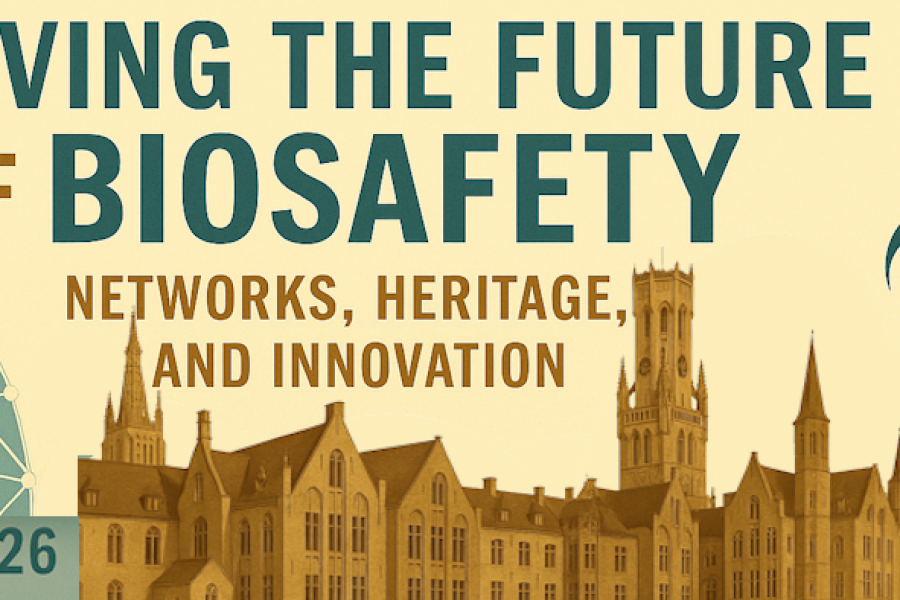
EBSA Conference 2026 and Preconference courses
2 days of EBSA pre conference courses on Tuesday 2 and Wednesday 3 June 2026
2 days of EBSA conference on Thursday 4 and Friday 5 June 2026.
-
Day 1, Tuesday, June 2
-
-
-
Pre conference courses
-
-
-
-
Social programme
-
-
Day 2, Wednesday, June 3
-
-
-
Pre conference courses
-
-
-
-
Opening reception conference and exhibition
-
-
Day 3, Thursday, June 4
-
-
-
Registration - Coffee - Exhibition
-
-
-
-
Opening
-
-
-
-
Session 1: Heritage and Horizons — Learning from the Past to Shape Future Biorisk Management
-
-
-
-
Beyond the Bite - Process Focused Analysis of a Serious Incident in Mosquito Research Laboratories
More information
Biological incident investigations in medical entomology laboratories require a structured, multi layered approach to understand potential exposure pathways and strengthen institutional risk governance. Following the detection of a malaria infection in an employee working across two mosquito research facilities (Institution A and Institution B), an independent and comprehensive process was initiated. This process included phased verification of the biological agent involved, systematic mapping of activities during the potential exposure period, facility assessments, document and SOP reviews, and structured interviews with personnel.
The investigative framework applied principles from occupational incident analysis, biosafety governance, and integrated biorisk management. Particular attention was given to harmonising information from different organisational domains, identifying latent procedural vulnerabilities, and evaluating how operational, technical, and cultural factors interact within complex laboratory systems.
The process not only informed immediate risk mitigation steps but also provided a blueprint for strengthening long term organisational resilience. This incident illustrates how a rare event can reveal important latent structural risks and underscores the need for integrated, layered, and robust biorisk management.
-
-
-
-
From Compliance to Competence: What Recent High-Containment (BSL-3/4) Training Studies Report and What They Miss
More information
High-containment laboratories (BSL-3 and BSL-4) protect personnel and the environment through layered controls, but day-to-day safety ultimately depends on whether people can consistently perform critical steps under pressure, fatigue, and routine. Although the peer-reviewed literature increasingly discusses training for these settings, it remains unclear which training components are shared across institutions, and which “human factors” are described that help translate rules into reliable performance.
To clarify what the field currently reports, we conducted a structured review of recent peer-reviewed studies addressing high-containment laboratory training practices. PubMed, Embase, Web of Science, Scopus, and Ovid MEDLINE were last searched on September 1, 2024. We included english-language papers published between 2019 and 2024 that described, evaluated, or critically discussed training protocols, safety practices, or personnel challenges specific to BSL-3 or BSL-4 environments. Findings were synthesized using deductive thematic analysis, and each paper was coded for the presence of predefined training-related elements.
Across 24 eligible studies, the dominant pattern was a strong emphasis on procedural compliance with comparatively limited attention to the human and organizational mechanisms that enable safe performance in high-consequence work. Training, evaluation, and certification were most often presented as local, rule-based activities, while shared competency standards and behavioral principles were seldom articulated. Similarly, systems that support learning and adaptation,such as routine incident and near-miss reporting, explicit behavioral guidance for decision-making in degraded conditions, or structured assessment of work ability appeared infrequently. Taken together, the literature tends to frame training as a means to prevent rule violations rather than as a framework for managing predictable human limitations in demanding environments. This imbalance suggests a systemic gap: high-containment training is described as ensuring adherence, but is rarely documented as strengthening decision-making, resilience, and performance stability when conditions are less than ideal.
Recent publications therefore provide useful descriptions of local compliance-focused approaches, but they rarely document shared competency definitions, explicit behavioral foundations, structured work-ability monitoring, or incident-driven learning loops. Future training programs—and the way they are reported—may be strengthened by clearer competency frameworks and more transparent description of the systems that help people work safely and consistently in high-containment settings.
-
-
-
-
From the 1960s to Tomorrow: How Historical Lab Design Lessons Drive Continuous Improvement Today
More information
Laboratory design has been shaped by decades of accumulated experience, lessons learned, and evolving best practices. From the standardized bench layouts and linear workflows of the 1960s to today’s highly automated, flexible, and risk-informed laboratories, each generation of facilities has contributed knowledge that continues to inform how laboratories are planned, built, and operated. This presentation explores how historical design principles and operational insights form the foundation of a continuous improvement cycle that drives effective laboratory design today and prepares facilities for the future.Using examples rooted in laboratory practices emerging in the 1960s, the session traces how early approaches to containment, segregation of functions, material and personnel flow, and safety controls established enduring design fundamentals. Participants will examine how these principles have been refined through decades of operational feedback, analysis, regulatory evolution, and technological advancement. The presentation demonstrates how understanding what worked, what failed, and why remains essential when modernizing laboratory services, renovating existing spaces, or planning new laboratory facilities.The session emphasizes the integration of design and workflow as inseparable elements of successful laboratory projects. Attendees will learn how historical knowledge is translated into contemporary best practices for biorisk management, quality systems, and workflow optimization, and how these practices support automation, flexibility, and regulatory compliance. Particular focus is placed on applying continuous improvement methodologies to ensure that laboratory environments evolve in step with scientific progress, emerging risks, and changing operational demands.By the end of this presentation, participants will have a structured perspective on how past experience informs present decision-making and future readiness. The session provides practical guidance for assembling and leading multidisciplinary project teams, engaging stakeholders, and delivering laboratory designs that are efficient, resilient, and adaptable ensuring laboratories get it right, every time, by building on the lessons of the past.
-
-
-
-
Network Coffee - exhibition - Posters
-
-
-
-
Session 2 "Biosafety Accelerator Pitch"
More information
-
-
-
-
Network lunch + exhibition + posters
-
-
-
-
Company presentation PRI-Bio
-
Company presentation Actini
-
-
-
-
Mythbutser automation (Diko Strietman, The Baker Company)
-
Formaldehyde Vs Hydrogen Peroxide Vapour – what does the future hold? (John Chewins, Tecnilab-BMI)
More information
The classification of Formaldehyde as a carcinogenic and mutagenic agent, along with the increasing drive towards sustainable product use, raises both regulatory and safety questions on its continued use as an airborne disinfection chemistry. Hydrogen peroxide vapour is promoted as an alternative, but what data supports this position? This presentation will explore the European regulatory environment for biocidal products as it applies to Formaldehyde and hydrogen peroxide vapour automated airborne disinfection systems and will aim to provide an understanding of current authorised uses and restrictions and the possible future position of Formaldehyde. The presentation will compare the efficacy of hydrogen peroxide vapour with Formaldehyde and discuss its role as a replacement.
-
-
-
-
Bridging the Gap: Implementing a Holistic, Risk Based Commissioning Process for High Containment Laboratories in Colombia (Lia Vizzotti, World BioHazTech)
-
Biowaste Treatment for BSL3/BSL4 Laboratories: Why It Is So Critical and What Technical Solutions Are Available (Suncombe)
More information
An introduction to biowaste that is generated in labs dealing in research into human, animal, and plant viruses. The waste water treatment system needs to be designed correctly for a variety of reasons which would be explained. Added complexity of prion decontamination. The variety of technical solutions that are available, from small under sink units (50L per day), through to bulk volumes (30m3 per day), using chemical and/or thermal decontamination processes. Looking at trends in sustainable engineering and heat recovery. Specific case studies for Suncombe systems that have been supplied globally.
-
-
-
-
Network Coffee - exhibition - Posters
-
-
-
-
Chris Collins lecture
-
-
-
-
Mitigating Risk in the Field and Lab when Dealing with Venomous Creatures in Research
More information
Animal venoms serve as an important model system across multiple research fields, including biomolecular, medicinal, and evolutionary biology. To support this work, researchers must collect from the field and maintain venomous organisms in controlled laboratory settings, enabling year-round venom extraction and downstream analyses. However, managing these animals in a research environment involves significant risks. These include:
- collecting venomous animals in the field,
- transporting and maintaining them safely in the laboratory,
- extracting venoms securely, and
- handling raw venoms with appropriate precautions.
Each step carries inherent danger and therefore requires careful study, documentation, and risk assessment.
Working closely with compliance teams is essential to ensure that safety protocols are thoughtfully designed, implemented, and followed to protect both the animals and the researchers. Our research program investigates the evolution of venomous snakes and their venoms, focusing on the ecological and evolutionary forces that have shaped the diversity of venoms and the animals that possess them. My aim is to integrate our understanding of venom evolution with best practices in field and laboratory safety to determine how venomous species can be responsibly maintained and studied in a research setting. In our field, we must understand that accidents may happen; thus, preplanning is a critical aspect in both field and laboratory research dealing with venomous creatures. In the field, having a team member wilderness first aid certified, carrying a satellite phone or other emergency response device, and identification of local hospitals near your field site with emergency protocols in place that all team members understand is a must. Having international insurance and potentially a global rescue policy should be discussed. In a laboratory setting, accidents may happen as well. Thus, integrating local emergency personnel into the response plan can help immensely. An example would be bringing their team into the facility and designing pickup locations if an incident were to happen. Having a relationship with a medical professional that understands venomous exposures and setting up incidence response procedures is critical preplanning. I suggest running exposure scenarios prior to housing venomous creatures to help mitigate the inherent risk when conducting this type of research. Ultimately, there is risk working in the field or with venomous creatures, my goal is to reduce the inherent risks via proper planning to improve overall safety and mitigate potential hazards.
Highlight: Animal venoms provide powerful research models, but working with venomous species requires careful risk assessment and rigorous safety protocols from field collection to laboratory handling. Our program integrates studies of venom evolution with best practices in field and lab safety to ensure venomous organisms can be responsibly maintained and investigated
-
-
-
-
Session 3: Interwoven Expertise — Strengthening Biorisk Management Through Collaborative Networks
-
-
-
-
European Biotech Act: Biosecurity measures to safeguard responsible innovation
-
-
-
-
From Resistance to Readiness: ISO 35001 as a Harmonizing Framework for Biorisk Management Across Institutions and Borders
More information
The Institut Pasteur du Cambodge (IPC) recently achieved ISO 35001:2019 certification through an external audit conducted by MUTU International (Indonesia). This milestone reflects a deliberate effort to strengthen and harmonize biorisk management within a high-containment laboratory environment that supports both national public health functions and international research, surveillance, and collaborative projects. This contribution presents the IPC experience as a practical case study of how a shared international framework can enhance coherence, accountability, and interoperability across institutional and geographic boundaries. IPC operates BSL-3 laboratories that are central to national diagnostic and surveillance capacity for tuberculosis, avian influenza, SARS-CoV-2, and other zoonotic diseases, while simultaneously engaging in multi-country research consortia and cross-border scientific collaborations. Prior to ISO 35001 implementation, biosafety practices were fragmented across pathogens, procedures, and project-specific workflows, resulting in parallel approaches to risk assessment, inconsistent documentation of near-misses, and unclear escalation and reporting pathways. Biosafety governance was largely embedded within quality management structures such as ISO 17025. The adoption of ISO 35001 provided a unifying Biorisk Management System (BMS), integrating biosafety governance across units, clarifying responsibilities, formalizing incident reporting and management review, and supporting a transition from reactive safety practices toward preventive, risk-based management.
Implementation followed a phased and pragmatic approach, deliberately building on an already well-functioning high-containment environment. Prior to ISO 35001 adoption, IPC operated a mature BSL-3 facility supported by an established BSL-3 manual, regular staff training, and comprehensive pathogen- and procedure-specific SOPs. The implementation therefore focused less on creating technical controls from scratch and more on aligning existing practices within a coherent governance framework. The process began with a structured gap analysis, followed by document harmonization, clarification of roles and reporting pathways, and targeted awareness-raising across scientific, technical, and support units. Pilot implementation in BSL-3 laboratories was complemented by internal audits, corrective actions, and formal management review, ultimately culminating in successful certification. Critical to this process was early and sustained leadership engagement. Institutional leadership committed to the allocation of necessary resources, including additional personnel to support expanded documentation, coordination, and monitoring requirements. Equally important was the early involvement of all relevant internal stakeholders (laboratory staff, biosafety professionals, quality management, facility management, and occupational health) ensuring shared ownership of the system and facilitating integration of ISO 35001 into routine operations. Early “quick wins,” such as simplified incident reporting and formal recognition of safe practices, reinforced trust in the system and helped sustain momentum throughout implementation.
Beyond its relevance in low- and middle-income settings, this experience demonstrates the value of ISO 35001 for European laboratories operating within dense and heterogeneous regulatory landscapes. Rather than duplicating national requirements, ISO 35001 offers a common language and governance structure that facilitates interoperability between institutions, supports workforce mobility, and enables consistent biorisk management across multi-partner projects and international consortia. The IPC case illustrates how ISO 35001 can function as a connective framework, strengthening alignment across regions, disciplines, and organizations, and reinforcing trust, transparency, and resilience within global biorisk management networks.
-
-
-
-
Enabling Safe Science: Strengthening Global Research Infrastructure for Pandemic Preparedness
More information
Pandemic preparedness is not primarily limited by scientific knowledge, but by fragmentation of infrastructures, workflows, standards, and decision-making processes. The project results presented here close this gap by changing the way high- and maximum-containment research infrastructures operate and, above all, collaborate and respond to emerging infectious threats.
By integrating access to high-containment laboratories, viral resources, and other infrastructures such as large-scale data infrastructures, and by harmonizing cross-border workflows and processes, we are moving from isolated capacities to coordinated capabilities and opportunities. Researchers gain simplified, secure, and traceable access to a continuum of services—from early-stage research to advanced experimental testing, while infrastructures are operated under aligned quality, governance, and biosafety frameworks.
One important result is the measurable strengthening of biosafety and biorisk management. Biorisk management is the backbone of safe, rapid, and globally coordinated research with highly pathogenic agents. Thanks to harmonized procedures and trained personnel we can quickly move across the full research continuum—from basic studies to applied countermeasures while ensuring the safety of all people and the environment. In this talk, I will show how integrating these capabilities with international partnerships translates preparedness from a plan into operational reality. Harmonised SOPs, shared quality standards, and joint training create comparable safety levels across facilities and enable the rapid and safe mobilization of expertise in health crises. At the same time, transparency and shared visibility of critical resources—such as virus isolates, reagents, and data—reduce duplication, mitigate supply chain vulnerabilities, and accelerate response timelines.
A central element of our approach is the active engagement of international partners. By building further cross-border partnerships, sharing best practices, and aligning operational, safety and quality standards, we create a globally interconnected research ecosystem. This not only enhances the EU’s capacity for pandemic preparedness, but also fosters a continuous cycle of learning, improvement, and innovation across borders. Through the ongoing integration of expertise and resources worldwide, the infrastructure network evolves dynamically, remains resilient under emerging threats and contributes to a globally harmonised, responsible, and forward-looking approach to biosafety and epidemic response.
The result is a shift from reactive crisis management to structural preparedness: shorter timelines from foundational science to actionable pandemic interventions, improved biosafety under surge conditions and a resilient European and global infrastructure landscape ready to respond to the next emergence of a high-risk pathogen. In this oral presentation, I will show you how we turned these ambitions into operational reality and how the same model can be extended to further strengthen preparedness, global cooperation and biosafety as well as biorisk management.
These results were achieved as part of the projects INTERCEPTOR, EU 101132215 and EVORA, EU 101131959.
-
-
-
-
Ask the Experts: Biorisk Management Open Forum
More information
To conclude the first day of the EBSA Conference, we will organise an interactive Q&A session with leading experts in Biosafety and Biosecurity (biorisk management). Questions from conference attendees and preconference course participants will be discussed in an open panel discussion, creating an opportunity for dialogue and knowledge exchange.
-
-
-
-
Conference dinner
-
-
Day 4, Friday, June 5
-
-
-
Network coffee and exhitibition
-
-
-
-
Session 4: Biorisk Management in Practice — Techniques, Tools, and Translational Approaches
-
-
-
-
Lessons Learned from Developing and Launching an International Biosecurity Policy
More information
The rapid evolution of bioscience and biotechnology has heightened the urgency for coherent, practical, and globally relevant biosecurity governance. Following publication of CEPI’s inaugural Biosecurity Strategy in 2024, during 2025–2026 our team undertook the development and rollout of a new biosecurity policy aimed at strengthening responsible research practices and biorisk management across CEPI’s funded vaccine research, development and manufacturing portfolios. This process required navigating scientific uncertainty, differing national priorities, variable biosafety capacities, and the sensitivities inherent to discussing dual use research and viruses with enhanced epidemic or pandemic potential.This presentation will reflect on the key initial lessons learned during the policy’s drafting, consultation, and launch phases. These include strategies for engaging stakeholders with varying risk perceptions; approaches for framing complex technical concepts in accessible, internationally acceptable language; and mechanisms for integrating feedback from multidisciplinary experts, including those working in low resource environments. The talk will also highlight challenges encountered, such as ensuring policy relevance across heterogeneous laboratory systems, balancing transparency with security considerations, and building trust in politically sensitive settings, and describe how these were addressed.By sharing practical insights, tested approaches, and pitfalls to avoid, this session aims to support biosafety and biosecurity practitioners, policymakers, and scientific leaders who are developing or revising policies at institutional, national, or regional levels. Ultimately, the experience demonstrates that effective international biosecurity policy is not solely a technical product but a process of diplomacy, communication, and sustained partnership.
-
-
-
-
Zonal Decontamination Strategies for Large Scale Mixed Hazard Environments Using Enzymatic Indicators and Aerosolised Hydrogen Peroxide
More information
Spatial decontamination is a cornerstone of laboratory biosafety, typically employing gaseous or vaporous agents in sealed areas for maintenance or emergencies. However, in high-containment facilities like the Australian Centre for Disease Preparedness (ACDP), standard methods are impractical for expansive, unsealed(able) spaces such as effluent treatment plants.
ACDP conducts diagnostics and research on diverse pathogens affecting animals, humans, aquatics, and the environment. The effluent treatment plant, covering approximately 10,000 cubic meters, collects and decontaminates liquid waste from all BSL-3 and BSL-4 laboratories and animal facilities, centralising hazards and amplifying the consequences of mechanical failures.
In early 2025, ACDP employed particle dynamic modelling to predict particle dispersal from three critical failure points in the effluent treatment plant, incorporating airflow patterns to designate contamination zones. The Biorisk Management Group then implemented a risk-based zonal strategy using aerosolised hydrogen peroxide and enzymatic indicators (EIs) to quantify efficacy in open areas under normal airflow.
Unlike biological indicators, EIs provide quantifiable log-reduction measurements (e.g., 10^2.5 to 10^9) as a measure of decontamination efficacy which were essential to making risk-based determinations for decontamination zones with appropriate safety margins. A quantifiable dilution of hydrogen peroxide efficacy was measured in open space with normal HVAC operation while achieving >10^5 efficacy in a target zone. The target zone aligned with a predicted contamination area from the particle dynamic models and gradients for safety margins beyond this target zone.
These findings enable targeted decontamination in non-laboratory settings, maximising efficacy in high-risk zones, enhancing staff safety, and minimising chemical use by avoiding broad, uniform applications unrelated to risk.
-
-
-
-
A Model of Bio-Risk analysis in the facilities of the Institute of Diagnosis and Animal Health from Bucharest, Romania
More information
The scope of this paper is to present a model of a bio-risk analysis in the facilities of Institute of Diagnosis and Animal Health (IDAH) from Bucharest, Romania, that is the national reference laboratory for diagnosis of animal diseases IDAH, when a new method of analysis with potentially infectious micro-organism was to be introduced in the lab activity, in order to assure all safety conditions for working in the lab.
The bio-risk analysis, the first step of bio-risk management, was performed in January 2024 for one of the facilities of the department of Bacteriology, Parasitology, Micology and Micotoxicology, when the new Standard Operational Procedure (SOP) was elaborated: SOP 19 Bacteriology “Isolation of methicillin resistant Staphylococcus aureus (MRSA)”, in conformity with the European Union (EU) decision 2023/1017 for modifying of EU decision 2020/1729 concerning the monitoring of methicillin resistant Staphylococcus aureus in the fattening pigs.The identified bio-risk was laboratory achieving infection (LAI).
For the analysis of this bio-risk, it was necessary to:- answer at the following question: WHAT?, WHO?, WHERE?, WHEN?, HOW?, related the agent properties, laboratory infrastructure, laboratory procedures, human factors, operation factors, environment and community factors,
- establish a graphic representation of risk probability and consequences and calculate the impact of the risk as a product of multiplication between the probability and consequences in 2 situations: without and with measures of mitigation.
- evaluation of risk as acceptable.
In the second step, we analyzed the existing mitigation measures in our organization and thought about another control measures according with hierarchy of 5 categories of risk mitigation measures from effectiveness point of view:
- Risk elimination or substitution
- Engineering controls
- Administrative controls
- Practices and procedures
- Protective Personal Equipment.
The third step, we evaluated the performance, that means improving bio-risk management by recording, measuring and evaluating organizational actions and outcomes to reduce biorisk.
In conclusion, the combining of mitigation measures depends on the institution tools: costs, feasibility, management past concerns and, but not at least, any person that works in the lab.
-
-
-
-
Network Coffee - exhibition - Posters
-
-
-
-
Break-out sessions
-
The Iceberg of Incident Reporting: From Concept to Practice
More information
Incident reports may greatly under-represent the true number of incidents, for example in healthcare settings by a factor of 10 or 20 (Hibbert et al., 2023; Shojania, 2008). Researchers recognise that the number of incidents recorded probably represents the “tip of the iceberg”. Our model, The ceberg of Incident Reporting, offers a practical framework for understanding and addressing this problem. The model characterises six layers of incident recognition and visibility: from openly published information at the top, through reporting to national authorities, internal recording, and recognised-but-not-recorded incidents, down to “known unknowns” and “unknown unknowns” at the deepest levels. The model focuses specifically on the dimensions of visibility and recognition that existing frameworks do not address. Importantly, it works without requiring strict definitions of “incident”, “hazard”, or “accident”, making it flexible and practical for routine use.We invite attendees to try the tool and explore ways laboratory teams might use it in safety meetings. We will discuss how to create environments where incidents can be discussed openly and how to engage external parties in incident recognition. -
Sharing Information about Incidents in Containment Facilities
More information
Learning from safety incidents in high containment facilities is essential, but incident information is rarely shared outside organisational boundaries. Factors include security protocols, perceived reputational risk, and organisational culture. Fortunately, there are many associations, networks, and other groups for people working in high containment facilities, for example based on their country or region, research focus, or security level. They are valued by members because they foster good collegial relationships. This workshop explores how these existing networks can better support learning from incidents.
The aim is to identify practical, trust-based approaches for sharing lessons learned from incidents within and between high containment laboratory networks, and to highlight examples of effective models.
A short presentation will give an overview of groups and networks identified in a survey of EBSA members. The incident reporting systems of the Public Health Agency of Canada (LINC) and Belgium’s SBB will be described. Structured roundtable discussions will then identify enablers, barriers, and promising practices.
-
Biosecurity Escape Room
More information
Do you have what it takes to escape the biosecurity escape room? Do you want to explore biosecurity in a completely new way? Then join us in our fictive lab to learn about the biosecurity pillars while you solve the mystery!
Working with high-risk pathogens, high-risk material, and sensitive material entails various risks. Employees should be aware of these risks and the corresponding control measures that can be taken. This enables employees to help identify risks, remain vigilant and adhere to the rules. Employees with biosecurity awareness can assess potential dual-use risks, recognise abnormal situations and hold colleagues accountable for their behaviour.
There are many ways to raise biosecurity awareness. The approach can vary per target group in the organisation. For employees working in a laboratory, biosecurity should be included in the induction programme for new employees, and periodic attention should be paid to the security aspects of lab work. Awareness is important for all types of lab work and for all employees in a laboratory, not only for those working with high-risk material.
In the biosecurity escape room you will experience an interactive approach to increase your biosecurity awareness!
-
EN 12469:2025 Biosafety Cabinets: New Requirements for Manufacturers, Users and Service Technicians
More information
For almost 25 years, the standard EN 12469 has defined the basic requirements for biological safety cabinets (BSCs). As an important achievement of European standardisation — and as a counterpart to the US standard NSF/ANSI 49 — it sets out performance criteria and suitable tests to ensure the required protective functions of a BSC. Devices classified as safe according to these specifications can — or rather must — be used in laboratories for handling (genetically modified) biological material based on an appropriate risk assessment. Compliance with EN 12469 guarantees robust containment to protect personnel and product.
Despite its general acceptance, the unclear structure, partly imprecise or complicated specifications, and above all the increased need for safety and ergonomics have made a revision of EN 12469 necessary. In July 2024, expert committees from various European countries presented a first public draft. This draft provides a reliable initial insight into the amended and additional requirements that BSCs will have to meet in the future.
This lecture will introduce the key improvements of the new standard, some of which are fundamental. While future BSCs will have to meet significantly higher performance requirements, they will be subject to less stringent design specifications. This is an exciting balancing act that not only poses challenges for manufacturers but also brings significant benefits for users.
-
Securing Knowledge, Advancing Science
More information
As life-science research becomes increasingly digital, collaborative, and globally distributed, biosafety and biosecurity must extend beyond biological materials to include sensitive knowledge, data, methods, and tacit know-how. Building on the audience’s existing familiarity with biosafety, biosecurity, dual-use research, and intangible technology transfer, the presentation will examine how these domains intersect with knowledge and research security across the life-science research lifecycle. Practical examples from synthetic biology, pathogen research, cloud-based data sharing, visiting researcher arrangements, and international collaborations will illustrate where sensitive knowledge moves and how misuse, unauthorized transfer, or loss of trust can occur. The presentation will propose a proportionate, science-preserving approach built around project screening, knowledge-asset mapping, partner and access review, data governance, publication planning, and escalation pathways. It will highlight biosafety and biosecurity professionals as translators between policy, compliance, and laboratory practice, helping keep research open, responsible, trusted, and resilient for public health, innovation, and international cooperation across Europe.
-
ISO 35001 in Practice: Bridging Intent and Implementation
More information
ISO 35001:2019 provides a structured framework for biorisk management, built on the Plan-Do-Check-Act (PDCA) cycle and designed to integrate biosafety and biosecurity into a coherent management system. However, despite its increasing adoption, many institutions struggle to translate the standard into effective, operational practice. Implementation often results in fragmented approaches, driven by the complexity of establishing a consistent and practical risk assessment process. In addition, system elements are frequently managed in isolation, and training is equated with competence without verification of performance. Likewise, the lack of genuine commitment from top management is an implementation risk.
This breakout session brings together two complementary perspectives: the intent behind ISO 35001 as a standard and the realities of its implementation across diverse laboratory settings. Using the PDCA cycle as a structural backbone, the session explores key gaps between design and practice.
Focusing on risk assessment, system integration through the different relevant biorisk elements, top management support and competence and learning systems, the session highlights typical misinterpretations and their consequences. Each section concludes with practical, actionable strategies to support more effective implementation. Participants will leave with a clearer understanding of how to move from compliance to performance, and from documentation to decision-making in ISO 35001-based biorisk management systems.
-
-
-
-
SWITCH (rerun break-outs)
-
The Iceberg of Incident Reporting: From Concept to Practice
More information
Incident reports may greatly under-represent the true number of incidents, for example in healthcare settings by a factor of 10 or 20 (Hibbert et al., 2023; Shojania, 2008). Researchers recognise that the number of incidents recorded probably represents the “tip of the iceberg”. Our model, The ceberg of Incident Reporting, offers a practical framework for understanding and addressing this problem. The model characterises six layers of incident recognition and visibility: from openly published information at the top, through reporting to national authorities, internal recording, and recognised-but-not-recorded incidents, down to “known unknowns” and “unknown unknowns” at the deepest levels. The model focuses specifically on the dimensions of visibility and recognition that existing frameworks do not address. Importantly, it works without requiring strict definitions of “incident”, “hazard”, or “accident”, making it flexible and practical for routine use.We invite attendees to try the tool and explore ways laboratory teams might use it in safety meetings. We will discuss how to create environments where incidents can be discussed openly and how to engage external parties in incident recognition. -
Sharing Information about Incidents in Containment Facilities
More information
Learning from safety incidents in high containment facilities is essential, but incident information is rarely shared outside organisational boundaries. Factors include security protocols, perceived reputational risk, and organisational culture. Fortunately, there are many associations, networks, and other groups for people working in high containment facilities, for example based on their country or region, research focus, or security level. They are valued by members because they foster good collegial relationships. This workshop explores how these existing networks can better support learning from incidents.
The aim is to identify practical, trust-based approaches for sharing lessons learned from incidents within and between high containment laboratory networks, and to highlight examples of effective models.
A short presentation will give an overview of groups and networks identified in a survey of EBSA members. The incident reporting systems of the Public Health Agency of Canada (LINC) and Belgium’s SBB will be described. Structured roundtable discussions will then identify enablers, barriers, and promising practices.
-
Biosecurity Escape Room
More information
Do you have what it takes to escape the biosecurity escape room? Do you want to explore biosecurity in a completely new way? Then join us in our fictive lab to learn about the biosecurity pillars while you solve the mystery!
Working with high-risk pathogens, high-risk material, and sensitive material entails various risks. Employees should be aware of these risks and the corresponding control measures that can be taken. This enables employees to help identify risks, remain vigilant and adhere to the rules. Employees with biosecurity awareness can assess potential dual-use risks, recognise abnormal situations and hold colleagues accountable for their behaviour.
There are many ways to raise biosecurity awareness. The approach can vary per target group in the organisation. For employees working in a laboratory, biosecurity should be included in the induction programme for new employees, and periodic attention should be paid to the security aspects of lab work. Awareness is important for all types of lab work and for all employees in a laboratory, not only for those working with high-risk material.
In the biosecurity escape room you will experience an interactive approach to increase your biosecurity awareness!
-
EN 12469:2025 Biosafety Cabinets: New Requirements for Manufacturers, Users and Service Technicians
More information
For almost 25 years, the standard EN 12469 has defined the basic requirements for biological safety cabinets (BSCs). As an important achievement of European standardisation — and as a counterpart to the US standard NSF/ANSI 49 — it sets out performance criteria and suitable tests to ensure the required protective functions of a BSC. Devices classified as safe according to these specifications can — or rather must — be used in laboratories for handling (genetically modified) biological material based on an appropriate risk assessment. Compliance with EN 12469 guarantees robust containment to protect personnel and product.
Despite its general acceptance, the unclear structure, partly imprecise or complicated specifications, and above all the increased need for safety and ergonomics have made a revision of EN 12469 necessary. In July 2024, expert committees from various European countries presented a first public draft. This draft provides a reliable initial insight into the amended and additional requirements that BSCs will have to meet in the future.
This lecture will introduce the key improvements of the new standard, some of which are fundamental. While future BSCs will have to meet significantly higher performance requirements, they will be subject to less stringent design specifications. This is an exciting balancing act that not only poses challenges for manufacturers but also brings significant benefits for users.
-
Securing Knowledge, Advancing Science
More information
As life-science research becomes increasingly digital, collaborative, and globally distributed, biosafety and biosecurity must extend beyond biological materials to include sensitive knowledge, data, methods, and tacit know-how. Building on the audience’s existing familiarity with biosafety, biosecurity, dual-use research, and intangible technology transfer, the presentation will examine how these domains intersect with knowledge and research security across the life-science research lifecycle. Practical examples from synthetic biology, pathogen research, cloud-based data sharing, visiting researcher arrangements, and international collaborations will illustrate where sensitive knowledge moves and how misuse, unauthorized transfer, or loss of trust can occur. The presentation will propose a proportionate, science-preserving approach built around project screening, knowledge-asset mapping, partner and access review, data governance, publication planning, and escalation pathways. It will highlight biosafety and biosecurity professionals as translators between policy, compliance, and laboratory practice, helping keep research open, responsible, trusted, and resilient for public health, innovation, and international cooperation across Europe.
-
ISO 35001 in Practice: Bridging Intent and Implementation
More information
ISO 35001:2019 provides a structured framework for biorisk management, built on the Plan-Do-Check-Act (PDCA) cycle and designed to integrate biosafety and biosecurity into a coherent management system. However, despite its increasing adoption, many institutions struggle to translate the standard into effective, operational practice. Implementation often results in fragmented approaches, driven by the complexity of establishing a consistent and practical risk assessment process. In addition, system elements are frequently managed in isolation, and training is equated with competence without verification of performance. Likewise, the lack of genuine commitment from top management is an implementation risk.
This breakout session brings together two complementary perspectives: the intent behind ISO 35001 as a standard and the realities of its implementation across diverse laboratory settings. Using the PDCA cycle as a structural backbone, the session explores key gaps between design and practice.
Focusing on risk assessment, system integration through the different relevant biorisk elements, top management support and competence and learning systems, the session highlights typical misinterpretations and their consequences. Each section concludes with practical, actionable strategies to support more effective implementation. Participants will leave with a clearer understanding of how to move from compliance to performance, and from documentation to decision-making in ISO 35001-based biorisk management systems.
-
-
-
-
Rerun break-out sessions
-
-
-
-
Network lunch + exhibition + posters
-
-
-
-
Session 5: Innovating Responsibly — Ethics, Behaviour, and Sustainability in Biorisk Management
-
-
-
-
The Future of Biosafety and Biosecurity Culture as Life Sciences and AI Technologies Converge
More information
High-reliability organisations are capable of managing catastrophic risks within their routine operations without compromising the public trust. A robust institutional culture of biosafety and biosecurity is essential for the resilience of high-reliability organisations working in life sciences such as biomedical laboratories and research and innovation facilities. Rapid technological change in life sciences manifested in the digital transformation of research practices and workplaces offers tremendous benefits in terms of enhanced efficiency, precision, and analytical power. As life scientists take advantage of these opportunities, it is important that existing biosafety and biosecurity risk management frameworks are properly adjusted and calibrated so that they remain relevant and effective.
Compliance with biosafety and biosecurity standards and regulations requires a shared understanding what risks can occur within a facility, as well as a vibrant institutional system of written and unspoken rules how these risks can be prevented, and what mitigation measures should be adopted in case of an accident or incident.
Most conceptual models view a biosafety and biosecurity culture as a static phenomenon made up of tangible artefacts, e.g. institutional mission statements, standard operating procedures (SOP), codes of conduct, and training programmes. This presentation revisits existing conceptual models to provide a framework for approaching biosafety and biosecurity culture as a dynamic phenomenon which is nurtured and maintained through interactions. It identifies key enablers of the sustainability of risk management practices within institutions. It then reviews the role of new technologies, particularly AI-powered tools in supporting biosafety and biosecurity risk management and examines how the application of these tools impacts on established interactions that underpinned institutional cultures.
The proposed framework has implications for monitoring and assessing the performance of biosafety and biosecurity culture. More importantly, it offers a tool for understanding the impact of technological change on life science work cultures and can serve as a roadmap for adapting biosafety and biosecurity risk management approaches to the new realities brought about by increasing digitalisation, automation, and use of AI technologies.
-
-
-
-
Regulating Naked DNA in a Rapidly Evolving Biotechnological Landscape
More information
Nucleic-acid-based technologies such as naked DNA, plasmids, mRNA and gene-editing systems are rapidly expanding in medical and veterinary applications. While these technologies allow for precise and often transient genetic alterations, they raise questions about how they fit within current regulatory frameworks for genetically modified organisms (GMOs). Regulatory differences have emerged between in vivo and in vitro applications, as well as between human and veterinary uses, further complicated by varying interpretations among European member states.
In the Netherlands, a precautionary interpretation places applications involving the introduction of naked DNA into human or animal cells within the scope of GMO legislation - even when genetic expression is temporary - creating a clear divergence from the approach adopted by most EU Member States. This presentation shares our findings of a study commissioned by the Dutch Ministry of Infrastructure and Water Management, assessing whether the current regulatory treatment of naked DNA remains adequate, proportionate and future-proof. The analysis draws on an in-depth review of European and national legislation, regulatory practice, scientific risk assessments and international comparisons.
The study confirms that the regulatory scope is driven more by legal definitions and techniques than by risk profiles, creating inconsistencies between similar technologies and applications. This also raises questions of mandate regarding which authority is responsible for specific safety aspects and the integration of health and environmental considerations. Four policy options are proposed to improve coherence, proportionality, and alignment with EU practice, supported by clearer interpretation and stronger inter-agency cooperation.
-
-
-
-
Use Cases for Emerging Technologies to Strengthen High-containment Laboratory Governance
More information
High-containment laboratories (HCLs) are expanding worldwide as countries invest in infectious disease research and health security. These facilities are essential for developing vaccines, therapeutics and diagnostics, but their rapid growth has outpaced transparency
and consistent oversight. Confidence in compliance with the 1972 Biological Weapons Convention (BWC) is weakened by these variations in regulatory capacity and reporting.
Emerging technologies can help address these challenges. Artificial intelligence (AI) and distributed ledger technology (DLT) can strengthen national biosafety systems through enhanced data integrity, traceability and transparency in HCLs. Three use cases illustrate prospective applications: AI-enabled DNA screening to manage synthesis risks; safeguarding laboratory data and records with AI and DLT to improve accountability; and DLT-backed provenance tracking to monitor pathogen materials.
Embedded within national oversight frameworks, these tools could enhance transparency and collaboration through more standardized reporting. In this way they could reinforce biological weapons prohibition norms and build confidence in peaceful intent.
-
-
-
-
Session 6: More Biorisk Management!
-
-
-
-
Governing Autonomous Laboratory Systems: Biosafety and Biosecurity Risks of AI-Enabled Automation
More information
The integration of artificial intelligence, robotics, and advanced automation into research laboratories is accelerating scientific discovery while fundamentally altering how experimental decisions are made. As laboratory systems gain greater autonomy, traditional biosafety and biosecurity frameworks, designed around human-directed workflows, face new, under-examined challenges. This presentation examines the emerging biosafety, biosecurity, and dual-use risks associated with AI-enabled autonomous laboratory systems, with a particular focus on environments handling biological, chemical, or otherwise hazardous materials. Drawing on a recent peer-reviewed risk assessment, the talk identifies key vulnerability domains, including system autonomy, data governance, cyberbiosecurity, insider risk, and the erosion of human-in-the-loop oversight. Rather than focusing on technological capability, the presentation emphasizes practical risk-mitigation strategies relevant to biosafety professionals, facility managers, and institutional oversight bodies. These include tiered experiment approval models, traceability and auditability of automated decisions, integration of dual-use risk assessment into experimental design, and the role of biosafety programs in governing autonomous research infrastructure.
-
-
-
-
The Art of Measuring Prevention: Effective Biosafety Program Metrics for Communicating Value, Garnering Support, and Ensuring Compliance
More information
Biosafety professionals play a critical role in protecting people, the environment, and research integrity, yet their work often goes unseen until something goes wrong. Communicating the value of biosafety programs to upper management and stakeholders can be challenging, particularly when success is defined by the absence of incidents. This presentation will explore strategies for developing and leveraging meaningful metrics to demonstrate the impact and effectiveness of biosafety programs.
We will discuss:- Identifying and tracking key performance indicators (KPIs) that reflect biosafety program goals and objectives
- Using data visualization and storytelling to communicate complex information to non-technical stakeholders
- Fostering a culture of continuous improvement through regular program assessment and feedback
- Aligning biosafety program metrics with organizational priorities and strategic objectives
By focusing on proactive and predictive indicators, biosafety professionals can translate their work into compelling narratives that resonate with upper management, fostering program support and resources. This talk aims to empower biosafety professionals to articulate their contributions, drive continuous improvement, and ultimately enhance the safety and success of their organizations.
-
-
-
-
From Compliance to Connection: The SCARF Model in Action
More information
Ever wondered why some safety conversations spark collaboration while others ignite resistance? The answer may lie in the brain. Join me for a lively exploration of David Rock’s SCARF model—a neuroscience-based framework that explains how Status, Certainty, Autonomy, Relatedness, and Fairness shape human behavior. For over a decade, I’ve used these principles to turn compliance into connection and transform tense moments into trust-building opportunities. In this session, we’ll unpack the science behind SCARF, discover why it matters for biosafety professionals around the globe, and explore practical strategies to apply it in real-world research settings. Expect personal stories, surprising insights, and actionable tips that will make your safety culture not just stronger—but smarter. Come ready to rethink how you lead, influence, and inspire in the lab and beyond!
-
-
-
-
Closing
-
-
-
-
Farewell networkmoment with coffee
-