
Past events & courses
-
Pre conference course I - Synthetic Biology; from Mainstream to Counterculture – Theory, Practice & Safety
The course will provide an overview of the field of Synthetic Biology, ranging from mainstream developments, and applications, to the alternative DIYBio movement. Case studies will be used to illustrate key mainstream advancements in whole cell modelling, live synthetic cells, synthetic DNA, and CRISPR genome editing. The impact of biohacking and the garage biology movement will also be discussed. The course is designed as an introduction to the field of Synthetic Biology for non-experts, and will be delivered through a mix of lectures, supporting videos and participant discussion.Read more
-
Pre conference course C - Field Biosafety perspectives on One Health: From sampling multiple species to working in a Mobile Lab
When outbreaks of high-risk viral pathogens strike, aspects of laboratory diagnostics or research are often performed directly in the field, at the epicenter of the epidemic. What then, are the required biosafety precautions to apply and how can they be implemented under challenging conditions?Read more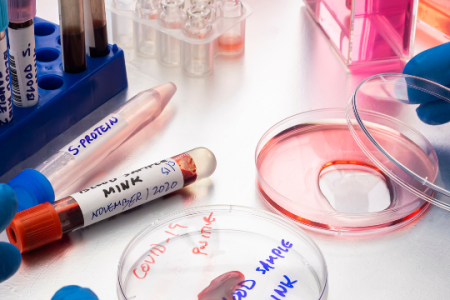
-
Pre conference course D - Mastering BSL-3 Laboratory Operations Throughout Its Lifecycle: Overcoming Challenges at Every Stage
Mastering BSL-3 Laboratory Operations Throughout Its Lifecycle: Overcoming Challenges at Every Stage.Read more
-
Pre conference course F - How to contain insects: challenges to be overcome when working with invasive species, genetically modified insects and on pathogen-vector interactions
After presenting the major risks encountered when working with insects that may carry pathogens or parasites, the course will address the characteristics of laboratories dedicated to their containment (ACL1-3). In addition to the structural elements of these specialized laboratories, the course will also describe best practices and appropriate protective equipment to use. The presentation will be completed by a visit to an ACL. Participants will also be involved in an interactive exercise (carried out in groups of 3-4 participants) of risk assessment for the proposed study cases.Read more
-
Pre conference course H. Tips for the successful evidence-based decontamination of contained use laboratories using liquid and gaseous disinfectants
The application of appropriate decontamination methods is the key element in reducing surface contamination in the laboratory to prevent laboratory-acquired infections and cross contamination in the laboratory.Read more
-
Pre conference course E. The world of infection - working with infected animal models
Working with an animal model of infection means introducing an additional risk into the infection chain. Not only the animals need to be handled appropriately to reduce a potential risk to the scientist, the equipment also plays a major role in minimising risk during individual infection experiments. Infection models with obligate pathogenic human germs must be treated carefully and calmly. The 3Rs of laboratory animal science are not only a guarantee for ethically sound experiments, but also serve the safety of the researchers. This course is rated as advanced. Therefore basic knowledge of Biosafety is a prerequisite as well as initial knowledge in working with animals.Read more
-
Pre conference course D. The gift of failure – learning from accidents, incidents and near-misses
Sadly, accidents will always happen. They can be prevented, but only if we take care to understand how and why they happen. Their impact can be reduced, but only if we take time to prepare. Gaining that understanding and having a plan are key safety processes.Read more
-
Pre conference course I. Moving on without leaving a trace - decommissioning in practice (1 day)
Check all details hereRead more
-
Pre conference course E. How to convince and influence for biosafety and security (1 day)
To shape the attitude of non-experts towards the risks of infectious disease, it is not sufficient to just ‘tell the facts’. The way the information is presented and the source credibility of the organisation are crucially importan. Unfortunately, in many cases the importance of these factors is underestimated. What can (governmental) organisations do to effectively shape the perception? Check all details hereRead more